
Rethinking Housing as a Shared Act
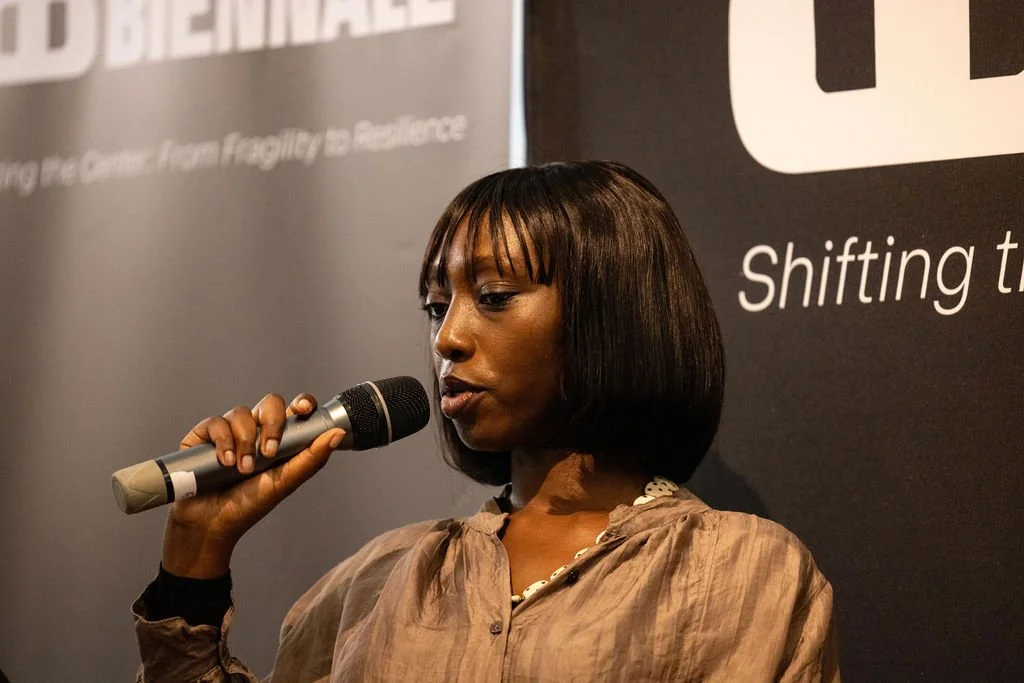
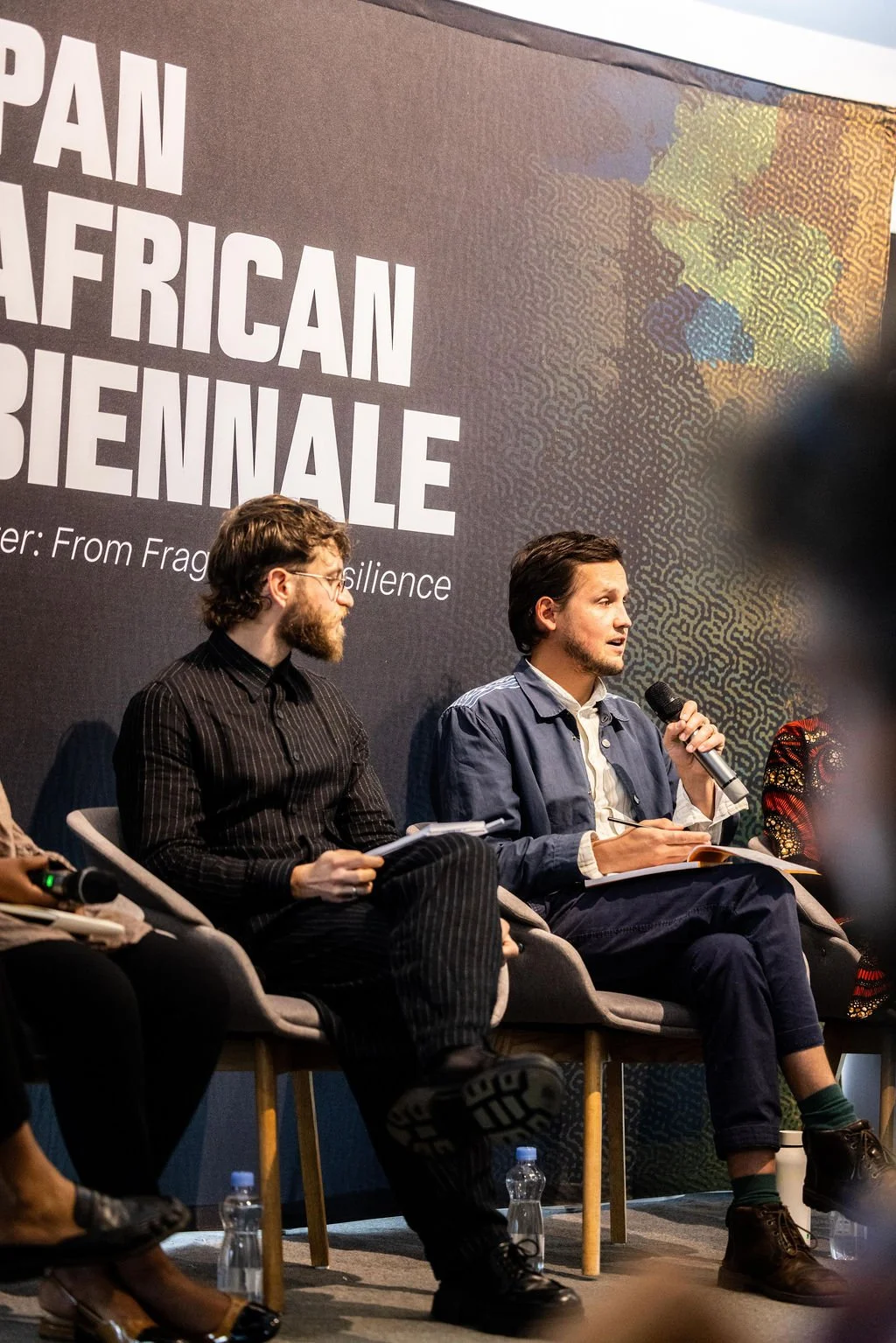
As part of the Pan-African Biennale of Architecture, I took part in a panel on housing: a lively conversation with practitioners from different backgrounds, including architects, developers and designers, each speaking from their own work. The brief was John Turner's idea of housing as a verb and not a noun. Housing, in this view, is not a finished object but an ongoing process that people build, adapt, negotiate and sustain.
That idea is about agency. A home is something we keep making: extending it, repurposing it, and changing it as life changes. A house can outlast any one person's lifetime, its meaning and use continually shaped by those who inhabit it. In that light, the architect's role shifts. We become custodians of a vision, but also co-creators with the people who live in the spaces we design. The responsibility is shared; the task is not simply to hand over a completed product. Nabeel Hamdi's incremental, participatory approach to urbanism makes the same point: meaningful change is slow and steady, and it works best when people are part of it.
Much of my own practice is mid to high-end residential, so this was a useful challenge. What does agency mean in these contexts? Self-build, developing your own home, is often associated with economic empowerment, but the principle runs deeper. Even where people are not building mansions, the ability to shape one’s surroundings matters, and informal settings have a great deal to teach us about this.
Early in my career, I worked on a slum upgrading project in Kibera, and it taught me something I still think about. When people received upgraded housing, many did not leave. They rented out their units and carried on with their lives in Kibera. The physical improvement of a dwelling did not necessarily outweigh the value of the social and economic networks they already had. Informality, for all its difficulties, can sustain forms of community, livelihood and belonging that are not easily replicated through physical upgrading alone.
As we grapple with the housing deficit across our cities, and in Kenya look towards affordability and the delivery of housing at scale through the Affordable Housing Programme, I find myself wondering about the environments we are creating and the lives they will support. Beyond the provision of individual units, can these developments become places where communities take root and grow? Can people establish livelihoods, build relationships, create shared identities and develop a sense of belonging? What opportunities will residents have to shape the spaces they share, and to make them their own? The challenge is not simply to deliver more housing at a lower cost, but to consider the kind of urban life that housing makes possible.
Society is built in liminality; in the spaces between us, where negotiation takes place. Who is the city for, and how much choice do people have in the matter? As architects, we can design for that negotiation, with some humility, and leave room for people to live as they please and to adapt their homes to work for them.
Next door to the panel, a beautiful exhibition by Mutua Matheka and Henry Robinson titled Akili Ni Nywele used models from the Kibera Daycare for Older Persons. It was a touching illustration of the same idea, community growing in the spaces in between.
Housing is an act that is never finished. We shape our homes, and in time they shape us, which is why the people who live in them must have a hand in making them.